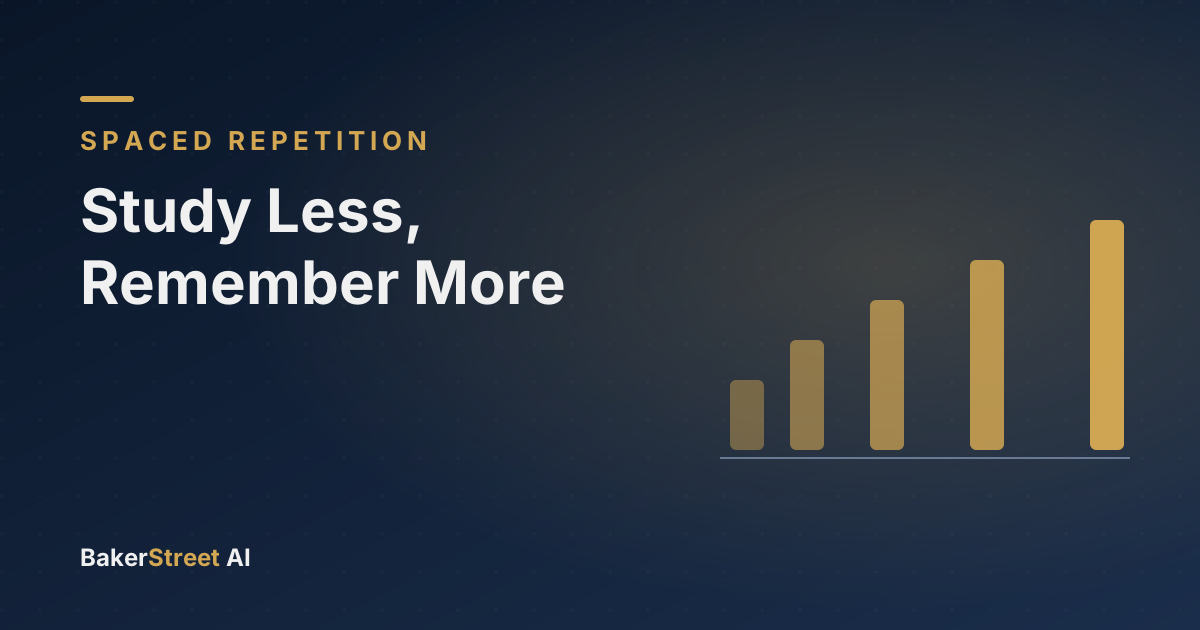
Spaced Repetition: Remember More by Studying Less
Cramming feels productive and fails you by morning. Here's the science of spacing your study sessions — and how to build a review schedule that makes knowledge permanent.
Read moreInsights on learning, memory, and the science of making knowledge stick
Cramming feels productive and fails you by morning. Here's the science of spacing your study sessions — and how to build a review schedule that makes knowledge permanent.
Read more
Highlighting and rereading feel like learning but barely move the needle. The research is blunt: pulling information out of your head beats putting it back in. Here's how to do it.
Read more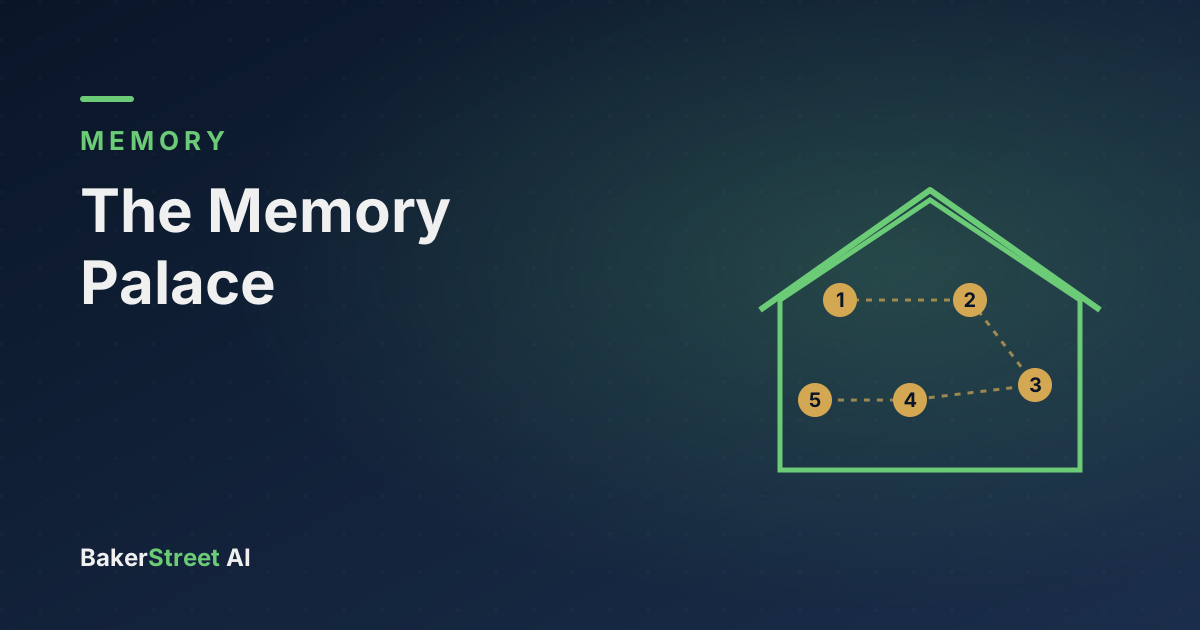
Memory champions memorize decks of cards and hundreds of names using a 2,000-year-old trick. It's called the method of loci — and you can learn it in an afternoon.
Read more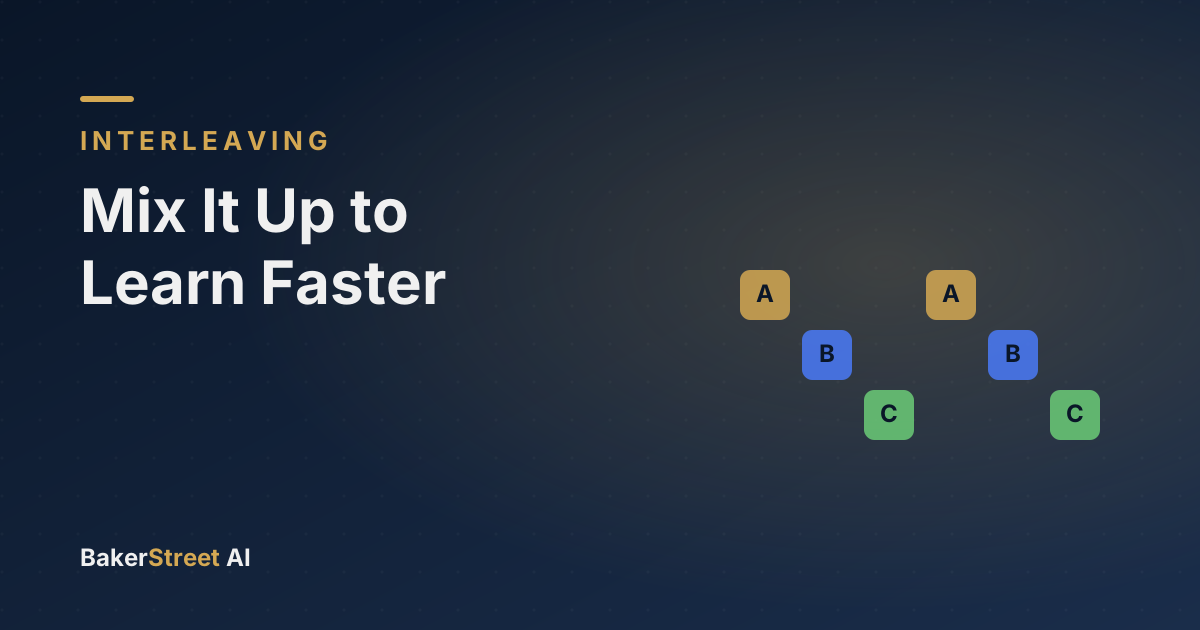
Studying one topic to exhaustion before moving to the next feels organized — and quietly holds you back. Here's why shuffling your practice builds sharper, more flexible skills.
Read more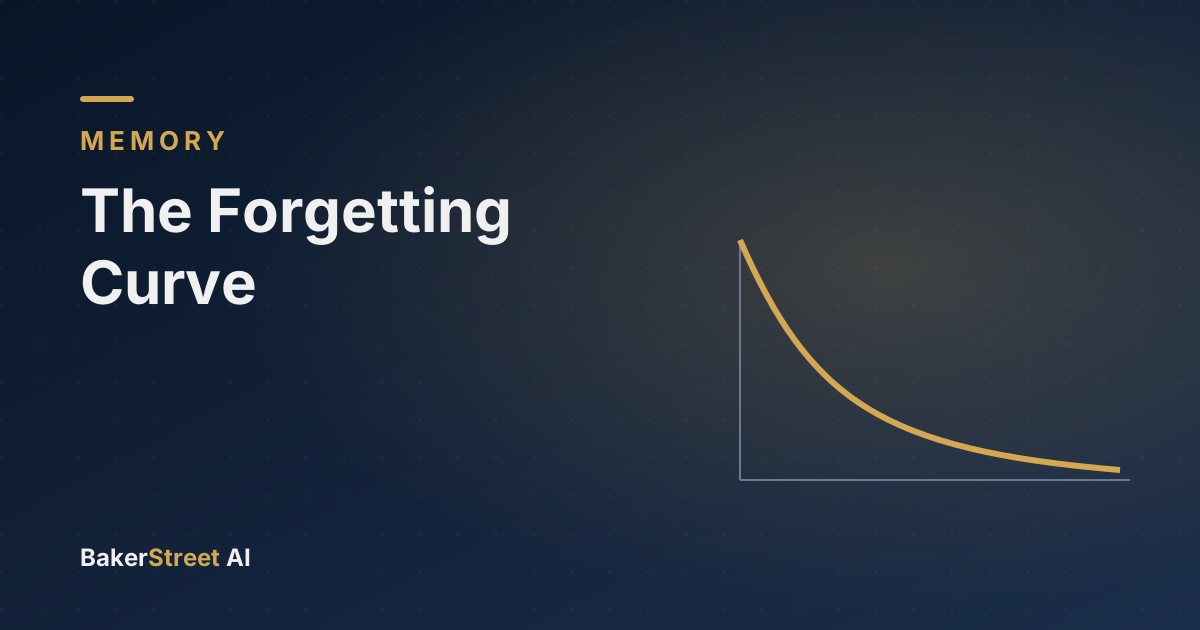
You forget most of what you learn within days — and that's completely normal. Understanding the shape of forgetting is the first step to designing study habits that outsmart it.
Read more
Pulling an all-nighter to study is one of the worst deals in learning. Here's what your brain does with the day's knowledge while you sleep — and how to take advantage of it.
Read more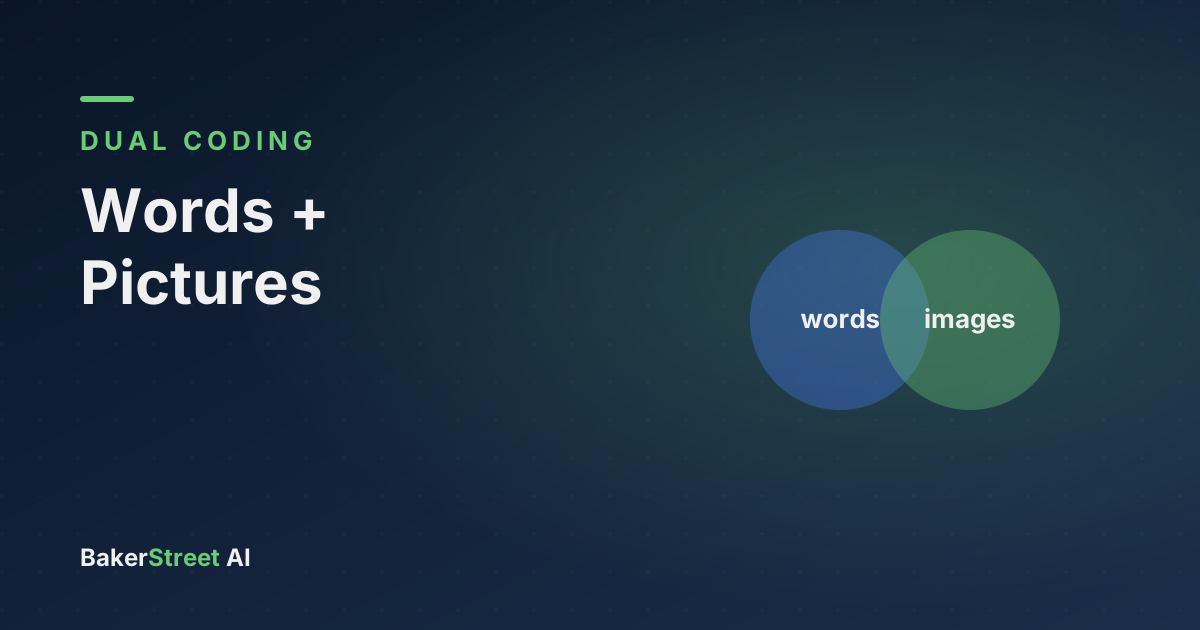
Your brain has separate channels for words and images — and using both at once builds stronger memories than either alone. Here's how to put dual coding to work in your studying.
Read more
Working memory can only juggle a handful of items at once — a real bottleneck for learning. Chunking is the technique that lets experts pack far more into that same small space.
Read more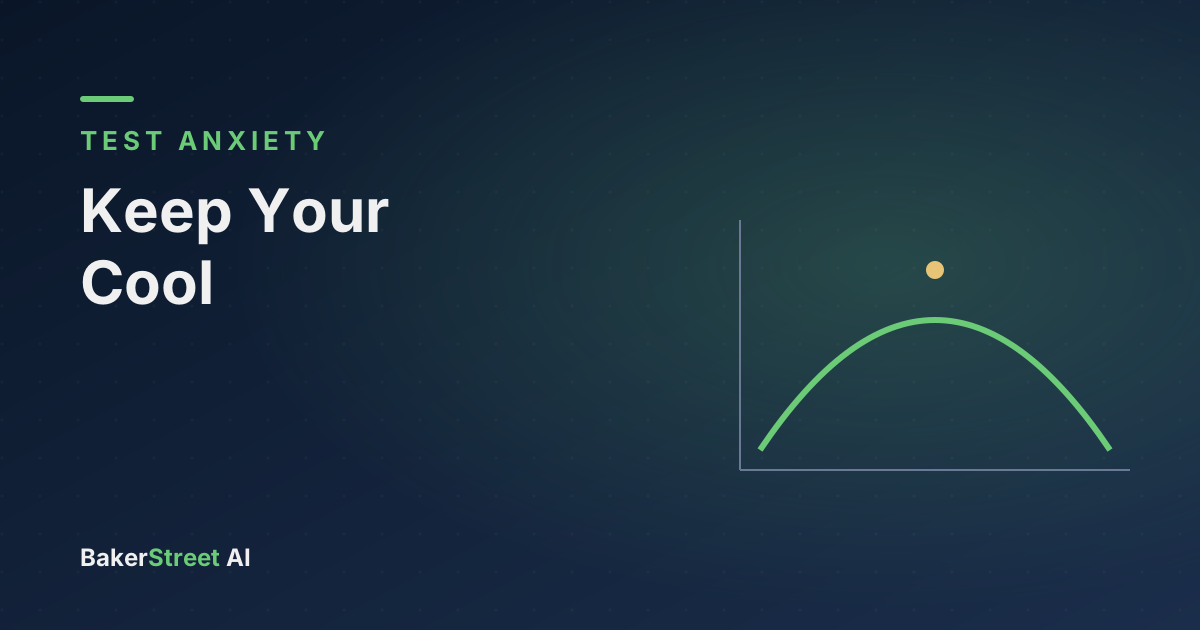
When your mind goes blank on a test you studied hard for, anxiety is usually the culprit. Here's what the science says about why it happens — and how to keep your cool.
Read more
AP World History looks like an ocean of names and dates to memorize. It isn't — the exam rewards thinking, not trivia. Here's how to study for the reasoning it actually tests.
Read moreNo posts match your search.