
The night before a big exam is when otherwise sensible students do their least sensible studying: frantic cramming, gallons of coffee, and a 2 a.m. bargain with themselves to just get through one more chapter. It feels responsible. It usually backfires. What you do in the final 24 hours can protect the weeks of work behind it — or quietly sabotage them. Here's how to spend that time well.
The Key Takeaway
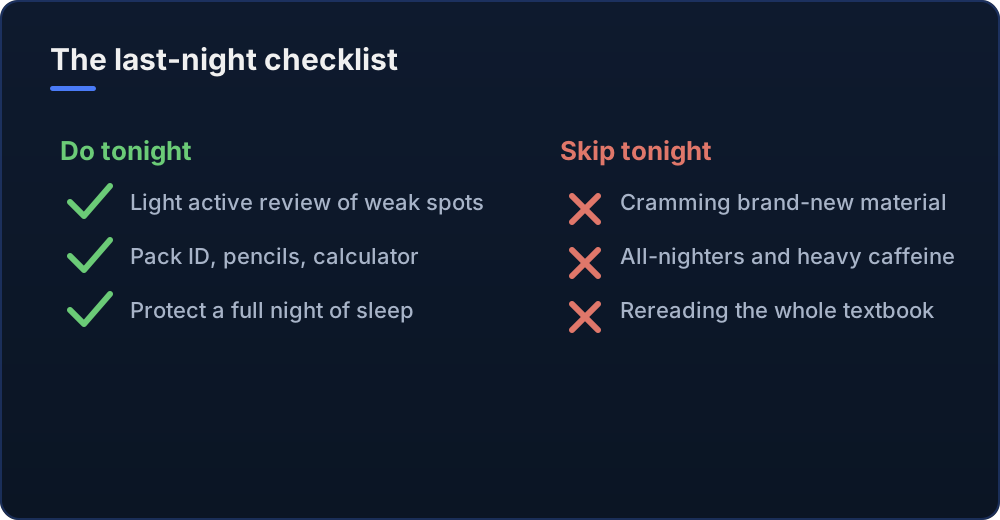
The best pre-exam night is calmer than instinct wants it to be: a short, active review of your weak spots, everything packed and ready, your nerves managed, and a full night's sleep. Trust the weeks of preparation behind you, protect your rest, and walk in tomorrow sharp instead of frazzled. That's how you let all that earlier work actually show up on the page.
First, accept what the last night can and can't do
The night before an exam is for consolidation and calm, not for learning large amounts of new material. If you haven't learned it by now, one panicked night won't fix it — and trying will cost you the two things that actually help tomorrow: sleep and composure. Set a realistic goal for the evening: reinforce what you know, shore up a few weak spots, and get to the exam rested and steady.
Do a light, active review
A focused review does help — as long as it's the right kind. Skip the passive rereading of every page. Instead:
- Test yourself on key material. Run through flashcards or practice questions on the most important topics. Active recall in the evening is a genuine boost; rereading is mostly busywork.
- Target your known weak spots. Spend your limited time on the handful of things you're shakiest on, not the material you already own.
- Review a summary sheet, not the whole book. A one-page overview of the big concepts helps them settle. If you don't have one, making it is itself good review.
- Stop early enough to wind down. Cramming until you collapse wrecks the sleep that would have locked in your studying.
Protect your sleep
This is the single most important thing you can do the night before. Sleep is when your brain consolidates memory, and a rested mind recalls information faster, thinks more clearly, and manages stress far better than an exhausted one. A full night of sleep will do more for your score than the extra hours of cramming it replaces. Trading sleep for study the night before an exam is almost always a losing deal.
Prepare the logistics
Reduce tomorrow's friction tonight so nothing derails you in the morning:
- Pack what you need — ID, pencils, calculator, admission ticket, water.
- Confirm the time and location, and plan to arrive early.
- Set out clothes and set a reliable alarm (or two).
- Plan a breakfast that won't leave you jittery or crashing.
Handling these small things in advance frees your mind and prevents a last-minute scramble from spiking your stress.
Manage the nerves
Some anxiety is normal and even helpful, but runaway nerves the night before can steal your sleep. Simple, evidence-based tools help: slow breathing, a short walk, and reminding yourself of the preparation you've already done. Briefly writing down your worries can also clear them from your head so they don't loop while you're trying to rest. Confidence the night before comes from trusting the work you put in over weeks — not from squeezing in a few more pages now.